

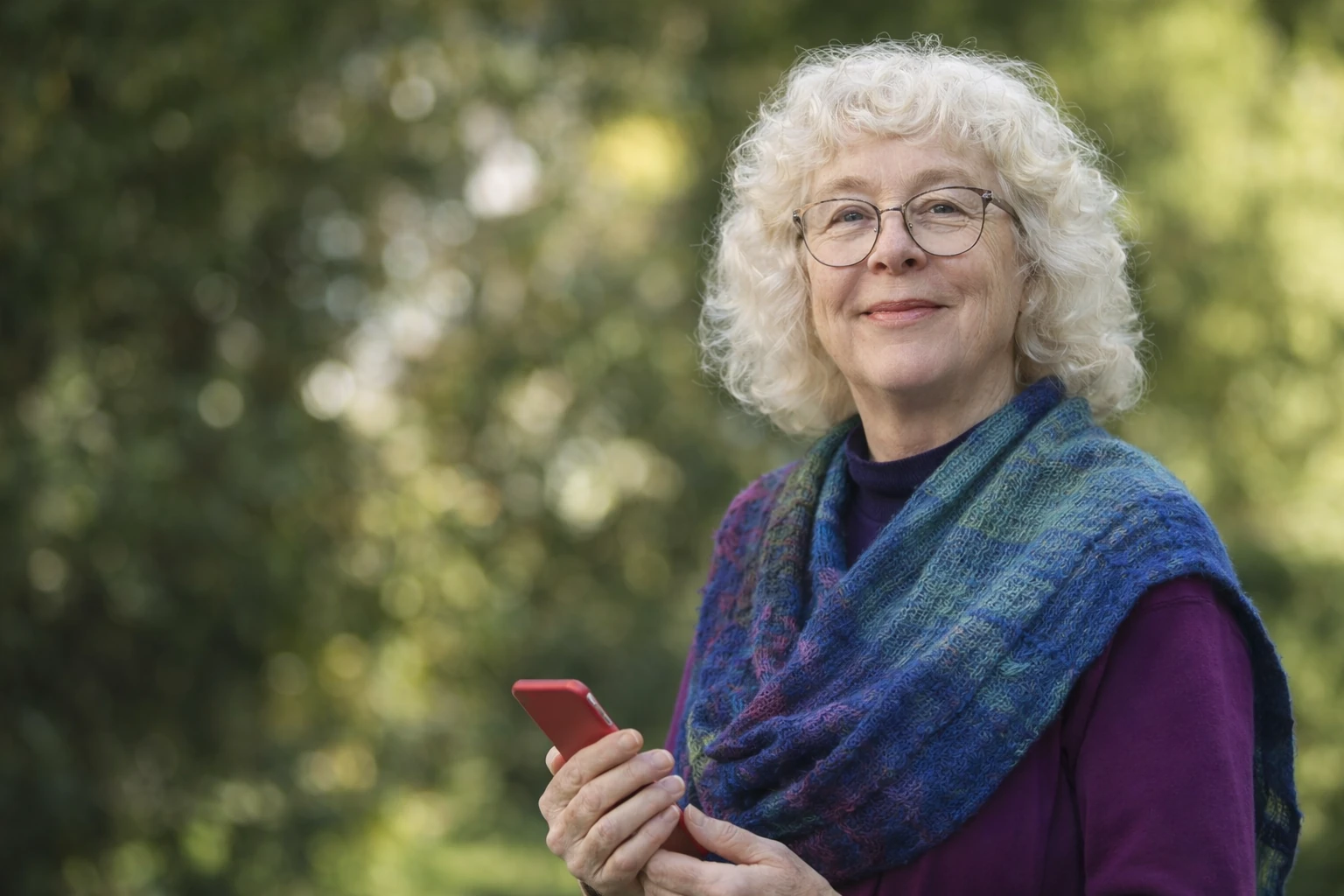
The name Jo McCubbin tends to surface at moments when medicine, community pressure, and environmental risk collide. In regional Victoria, particularly in the Gippsland town of Sale, she has long been known not just as a paediatrician but as a voice willing to step outside the clinic and into public debate. That willingness—sometimes quiet, sometimes confrontational—has shaped both her professional reputation and her public identity over decades.
Unlike many figures who attract online curiosity, McCubbin is not a celebrity in the conventional sense. There are no glossy interviews detailing her private life, no carefully curated personal brand. What exists instead is a steady trail of public records, media reports, and institutional references that show a doctor deeply embedded in her community, repeatedly drawn into wider conversations about health, environment, and public accountability.
Early Life and Family Background
Publicly available information about Jo McCubbin’s early life is limited, and that in itself says something about her profile. She has not built a career around personal storytelling or media exposure, so details about her childhood, exact date of birth, or early schooling are not widely documented in accessible sources. This absence of personal narrative contrasts sharply with her visible public work later in life.
What is known is that she has family roots connected to Australia’s cultural history. She is identified as a descendant of Frederick McCubbin, the well-known Australian impressionist painter associated with the Heidelberg School. While that connection is often mentioned in brief biographical listings, it does not appear to have defined her career path, which took a very different direction into medicine.
Her adult life, as far as public records indicate, has been centered in Victoria, particularly in Gippsland. That region—large, diverse, and often underserved in specialist healthcare—became both her professional base and the setting for much of her later advocacy.
Medical Education and Entry into Paediatrics
Jo McCubbin trained as a medical doctor and went on to specialize in paediatrics, eventually earning fellowship with the Royal Australasian College of Physicians (FRACP). This credential places her within Australia’s established network of specialist physicians and indicates years of structured training, clinical experience, and examination.
While the specific institutions where she studied are not widely documented in public summaries, her career trajectory reflects a commitment to working outside major metropolitan centers. Choosing to practice in regional Victoria is significant in itself. Rural and regional Australia has long faced shortages of specialist doctors, and paediatricians in particular are often in short supply outside major cities.
From early in her career, McCubbin’s work appears to have focused on general paediatrics, supporting children and families across a broad range of health needs. Over time, her clinical interests expanded to include developmental and behavioural conditions, including autism, which have become a growing focus within paediatric care.
Building a Career in Gippsland
McCubbin’s professional identity is closely tied to Sale, a regional town in eastern Victoria that serves as a hub for surrounding communities. She has been associated with Fitzpatrick House, a medical practice that provides paediatric services across Gippsland, and has also contributed to outreach services in nearby towns such as Bairnsdale, Orbost, and Lakes Entrance.
Working in this setting requires more than clinical expertise. Regional paediatricians often operate across large geographic areas, balancing clinic-based care with outreach visits and hospital work. They also tend to form long-term relationships with families, sometimes treating multiple generations.
That continuity of care appears to have been a defining feature of McCubbin’s career. Her name recurs in regional reporting not as a distant specialist but as a local doctor who understands the specific pressures facing families in Gippsland, from access to services to environmental conditions.
The Sale Hospital Dispute
One of the earliest moments when McCubbin entered the public spotlight came in 2006, during a dispute over paediatric services at Sale Hospital. Alongside fellow paediatrician Dr Peter Goss, she resigned from the hospital, citing concerns about reductions in services and the impact on local children.
The situation quickly escalated into a broader controversy. Reports at the time described fears that the loss of the town’s only paediatricians would leave families without adequate local care, forcing them to travel significant distances for treatment. Community concern was strong, and the issue became a focal point for debates about regional healthcare funding and planning.
What stands out in retrospect is McCubbin’s willingness to speak publicly about the problem. She was not acting as an external critic but as a practitioner within the system, raising concerns about its functioning. The dispute also highlighted a recurring theme in her career: the belief that healthcare cannot be separated from the structures that support or undermine it.
Expanding into Environmental Health Advocacy
Over time, McCubbin’s public role broadened beyond clinical medicine into environmental health. This shift did not represent a departure from her work as a paediatrician so much as an extension of it. Her advocacy consistently framed environmental issues—air quality, water safety, pollution—as direct threats to children’s health.
As early as 2003, she was involved in community action around environmental concerns in Gippsland. She served as president of Wellington Residents Against Toxic Hazards (WRATH), a group focused on scrutinizing hazardous waste activities in the region. The group called for greater transparency and independent investigation into environmental risks.
That involvement placed her within a network of community advocates who were increasingly linking environmental policy to public health outcomes. For McCubbin, the connection was clear: children are often the most vulnerable to environmental exposure, and paediatricians are among the first to see its effects.
Climate Change and Health
By the late 2000s, McCubbin’s advocacy had expanded into climate change, a field that was beginning to gain traction within the medical community. In 2009, she was selected to attend a climate leadership program associated with former U.S. Vice President Al Gore. Participants in these programs were trained to present on climate science and its implications, often bringing that knowledge back to their communities.
Her involvement in climate-related discussions continued in the years that followed. She became associated with the Climate and Health Alliance (CAHA), an Australian organization that brings together health professionals and institutions to address the health impacts of climate change.
This connection positioned McCubbin within a growing movement that argues climate change is not only an environmental issue but also a public health crisis. Rising temperatures, extreme weather events, and changes in air quality all have direct consequences for human health, particularly for children.
Speaking Out on Air Quality and Pollution
One of the areas where McCubbin’s voice became particularly prominent was air quality. During periods of heavy smoke in Gippsland—whether from bushfires or controlled burns—she spoke publicly about the risks posed by fine particulate matter.
Her comments often focused on practical measures rather than abstract warnings. She emphasized the importance of timely communication, especially for vulnerable groups such as pregnant women and young children. She also called for improvements in how authorities alert the public to dangerous air conditions, including the use of direct messaging systems.
This approach reflects a broader pattern in her advocacy. Rather than limiting herself to identifying problems, she has often pushed for specific changes in policy or practice that could reduce harm in the short term.
Concerns About Water and Food Safety
McCubbin has also been involved in raising concerns about water quality and food safety in Gippsland. One notable issue involved mercury levels in fish from the Gippsland Lakes. Alongside other medical professionals, she warned that locally caught fish could pose health risks, particularly for pregnant women and children.
The concern was not only about the presence of mercury but also about the lack of consistent monitoring and public information. McCubbin and her colleagues argued that without regular testing and transparent reporting, communities could not make informed decisions about what they were eating.
This episode highlights a recurring feature of her work: a focus on gaps in public systems. Whether the issue is hospital staffing, environmental monitoring, or communication during smoke events, McCubbin’s interventions tend to point to areas where existing structures fall short.
Engagement with Public Policy
McCubbin’s involvement in public policy has not been limited to advocacy through the media. She has also contributed directly to formal inquiries. In 2015, she gave evidence to a Victorian parliamentary inquiry into unconventional gas development.
Her testimony covered a wide range of concerns, including potential impacts on water quality, air pollution, and mental health. She acknowledged the limits of available evidence in some areas while emphasizing the need for precaution when dealing with potential risks.
This balanced approach—recognizing uncertainty while still advocating for protective measures—has been a consistent feature of her public statements. It reflects the perspective of a clinician who must often make decisions in the face of incomplete information.
Political Involvement
McCubbin’s engagement with public issues has also extended into electoral politics. She ran as a candidate for the Australian Democrats in the Victorian state elections of 1999 and 2002, representing Gippsland Province. In 2006, she stood as an Independent candidate in the electorate of South Gippsland.
While she did not achieve electoral success, her candidacies indicate a willingness to engage directly with the political process. For many professionals, advocacy stops short of formal politics. McCubbin’s decision to stand for election suggests a belief that systemic change sometimes requires participation within political structures.
Her political involvement aligns with her broader career pattern: moving between professional practice and public engagement, often addressing the same underlying concerns from different angles.
Personal Life and Privacy
In contrast to her public work, McCubbin’s personal life remains largely private. There is little verified information about her marital status, children, or day-to-day life outside her professional and advocacy roles. This is not unusual for medical professionals who have not pursued public-facing careers.
One small glimpse into her personal interests emerged in a 2020 media story, which noted that she had been learning Scottish Gaelic using a language app. The detail is minor, but it offers a reminder that behind the public figure is an individual with personal interests and connections that do not revolve around her professional identity.
The limited information available about her private life underscores the importance of distinguishing between verified facts and speculation. In McCubbin’s case, the public record is strongest when it focuses on her work rather than her personal story.
Professional Standing and Recognition
McCubbin’s standing within the medical community is reflected in her qualifications and affiliations. As a Fellow of the Royal Australasian College of Physicians, she belongs to a recognized body of specialist physicians. Her association with organizations like the Climate and Health Alliance further situates her within networks that influence health policy discussions.
However, she is not widely known for awards or high-profile honors. Her recognition appears to be more local and professional than national or international. That does not diminish her impact, particularly in a regional context where individual practitioners can play a significant role in shaping services and public understanding.
Financial Profile and Net Worth
There is no publicly available, credible estimate of Jo McCubbin’s net worth. As a medical specialist, her income would likely fall within the range typical for Australian paediatricians, which can vary depending on factors such as location, workload, and involvement in private practice.
Unlike celebrities or business figures, McCubbin has not built a public profile around wealth or financial ventures. Her work has remained focused on medicine and advocacy, with no widely reported business interests outside her clinical practice.
Any attempt to assign a specific net worth figure would be speculative and unsupported by reliable data. For that reason, it is more accurate to describe her financial profile as private and not a defining aspect of her public identity.
Public Image and Legacy
Jo McCubbin’s public image is shaped less by personal branding and more by consistent engagement with issues that affect her community. She is often portrayed as a principled and sometimes outspoken figure, willing to challenge decisions she believes may harm children’s health.
Her legacy, if it can be described at this stage, lies in the intersection of medicine and public advocacy. She represents a model of medical practice that extends beyond individual patients to include broader social and environmental factors.
What’s striking is how steady that approach has been over time. From early environmental campaigns to later involvement in climate-health discussions, her work reflects a long-term commitment rather than a series of isolated interventions.
Where Jo McCubbin Is Now
Recent public listings continue to place McCubbin in Sale, Victoria, working as a paediatrician. Her clinical focus includes general paediatrics as well as developmental and behavioural issues, areas that have become increasingly important in child health.
There is less recent media coverage of her advocacy compared to earlier years, which may reflect changes in her role or simply a lower public profile. However, her earlier contributions remain part of the record, particularly in discussions about environmental health in Gippsland.
As with many regional professionals, much of her current work likely takes place outside the spotlight, within clinics and communities rather than on public platforms.
Frequently Asked Questions
Who is Jo McCubbin?
Jo McCubbin is an Australian paediatrician based in Sale, Victoria. She is known for her work in regional child health and her involvement in environmental and climate-related advocacy. Her public record includes contributions to medical practice, community campaigns, and political discussions.
What is Jo McCubbin known for?
She is known for combining her medical expertise with public advocacy on issues such as air quality, water safety, and climate change. Her work often focuses on how these factors affect children’s health, particularly in regional communities.
Has Jo McCubbin been involved in politics?
Yes, she has run as a candidate in Victorian state elections. She stood for the Australian Democrats in 1999 and 2002 and later ran as an Independent in 2006. While she did not win a seat, her campaigns reflected her engagement with public policy.
Is Jo McCubbin related to Megan McCubbin?
There is a separate Jo McCubbin in British media who is identified as the mother of wildlife presenter Megan McCubbin. Public records indicate that this is a different individual from the Australian paediatrician.
What does Jo McCubbin do now?
She continues to work as a paediatrician in Sale, Victoria. Her practice includes general paediatrics and developmental health, and she remains part of the regional healthcare system in Gippsland.
Is Jo McCubbin’s personal life publicly known?
Very little information about her personal life is publicly documented. She has maintained a private profile outside her professional and advocacy work, and there are no widely confirmed details about her family or relationships.
Conclusion
Jo McCubbin’s story is not one of fame or carefully managed public image. It is the story of a regional doctor who chose to engage with the wider forces affecting her patients’ lives. That engagement has taken her from hospital disputes to environmental campaigns, from local concerns to broader policy debates.
Her career shows how medicine can intersect with public life in ways that are both practical and political. She has argued, often in very direct terms, that children’s health depends on more than clinical care. It depends on clean air, safe water, reliable services, and informed communities.
That perspective has shaped her work over decades, even as the issues themselves have evolved. While she may not be widely known outside her region, her contributions offer a clear example of how professional expertise can be used to advocate for broader change.
What remains most striking is the consistency of her approach. Through different roles and across different issues, she has returned to the same central concern: protecting the health of children in the communities she serves. That focus, more than any title or position, defines who Jo McCubbin is.
