

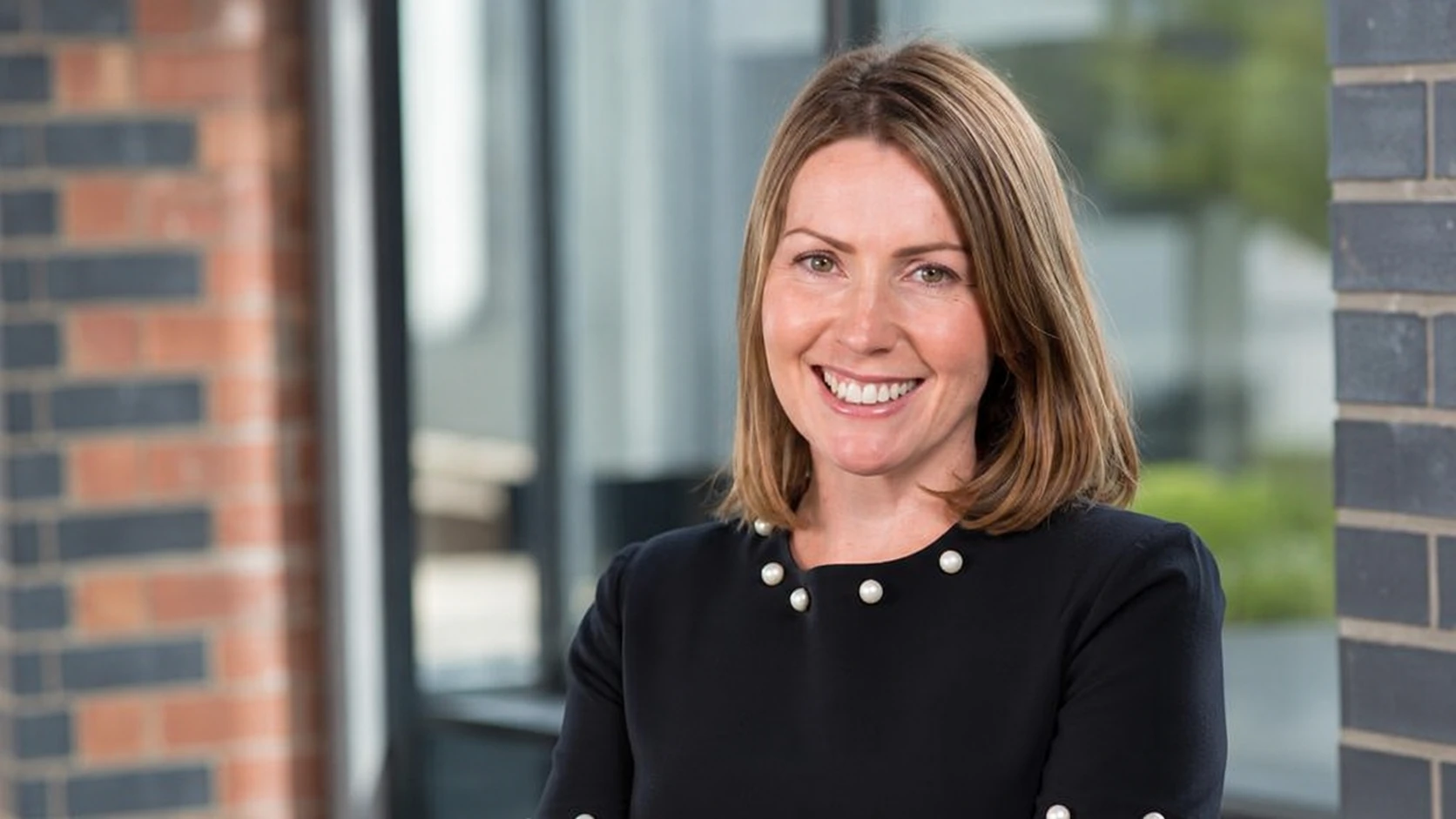
Sarah Lewthwaite has built a career around questions many institutions once ignored. How do disabled people experience digital systems? Why are accessibility problems still so common in education and technology? And what happens when universities and workplaces fail to teach inclusive design properly? Those questions sit at the center of her academic work, and they have turned her into an increasingly respected voice in digital accessibility research in the United Kingdom.
Unlike celebrities or public figures whose lives are constantly documented online, Lewthwaite’s public identity comes almost entirely through her professional work. That has created a strange problem around her name. Internet searches for “Sarah Lewthwaite” often produce mixed or misleading information, including confusion with unrelated individuals. The verified public record, though, points clearly to Dr Sarah Lewthwaite, a British academic associated with the University of Southampton and widely known for her research into digital accessibility, inclusion, disability studies, and higher education.
Her work has become more relevant with each passing year. Governments are tightening accessibility regulations, universities are under pressure to improve inclusion, and technology companies face growing scrutiny over whether their products truly work for disabled users. Lewthwaite’s research speaks directly to those concerns. Rather than treating accessibility as a technical afterthought, she studies how people actually learn to create accessible digital environments in the first place.
Early Life and Educational Background
Publicly available information about Sarah Lewthwaite’s childhood and family life remains limited, which is fairly common for academics who are not media personalities. She has not built a public brand around her private life, and most reliable reporting about her focuses on her professional contributions rather than personal history. That said, her career path suggests an early interest in education, disability support, and social inclusion.
Before entering academic research full time, Lewthwaite worked in roles supporting disabled students’ access to education and technology. Those early positions exposed her to the real barriers people faced in schools, universities, and public-sector systems. The experience appears to have shaped the direction of her later research, especially her interest in how institutions teach accessibility and inclusion rather than simply talking about them in policy documents.
She later earned an MA in Research Methods with distinction and completed a PhD at the Learning Sciences Research Institute at the University of Nottingham. During her doctoral work, she explored how disability was experienced and discussed in digital social spaces, including networked communities such as Facebook. Her research combined digital methods, disability studies, and questions about online identity, all of which would later become recurring themes in her academic career.
Entering Academic Research
Lewthwaite’s move into university research came during a period when accessibility discussions were becoming more urgent across Europe and the UK. Digital systems were rapidly expanding into education, healthcare, public services, and employment, yet accessibility training often lagged behind. Many universities still treated accessibility as a specialist concern rather than a core digital skill.
At the University of Southampton, she became associated with Southampton Education School and the National Centre for Research Methods. Her work focused on inclusive research practices, digital accessibility, pedagogy, and student experience. These were not isolated topics. They connected directly to larger debates about who gets included in digital life and who is left behind when accessibility is poorly understood.
What’s surprising is how early she recognized the gap between accessibility standards and accessibility education. Many institutions already had guidelines in place, but far fewer had reliable ways of teaching people how to apply those standards in practical settings. Lewthwaite’s research began to address that disconnect, asking not only what accessibility should look like, but how people learn to create it effectively.
The Growing Importance of Digital Accessibility
Digital accessibility has shifted from a specialist subject into a mainstream concern over the past decade. Websites, online classrooms, banking apps, government services, healthcare systems, and workplace platforms all depend on digital interfaces. If those systems are inaccessible, disabled users can struggle to participate fully in everyday life.
Lewthwaite’s work gained attention partly because she approached accessibility as both a technical and social issue. A website may fail accessibility tests because of poor coding or design choices, but the deeper problem often starts much earlier. Developers may never have been trained properly. Teachers may not understand accessibility well enough to include it in coursework. Employers may treat it as optional rather than essential.
Her research argues that accessibility cannot rely on isolated experts fixing problems at the end of a project. Instead, accessibility must become part of normal professional education across disciplines. That includes design, computer science, communication, education, and workplace training. The truth is, this shift requires cultural change as much as technical knowledge.
As digital dependence increased worldwide, governments also began enforcing stronger accessibility standards. Public-sector accessibility rules in the UK and broader international standards such as WCAG created new expectations for institutions. Lewthwaite’s work arrived at a moment when universities and employers urgently needed better ways to train people in accessible digital practice.
Teaching Accessibility in the Digital Skill Set
The project most closely associated with Sarah Lewthwaite is “Teaching Accessibility in the Digital Skill Set,” a major UKRI-funded research initiative. She serves as Principal Investigator and Future Leaders Fellow on the project, which examines how digital accessibility is taught and learned across higher education and workplace environments.
The project became one of the strongest public examples of her influence in the field. Rather than focusing only on compliance checklists or accessibility audits, the research examines the teaching itself. How do lecturers explain accessibility concepts to students? How do professionals build accessibility skills at work? Why do some organizations improve while others repeatedly fail disabled users?
The answers are often more complicated than outsiders expect. Lewthwaite’s work suggests accessibility problems are rarely caused by bad intentions alone. Many organizations simply lack strong teaching structures, institutional support, or long-term investment in accessibility education. Employees may want to improve but never receive the training or authority needed to make lasting changes.
Her project also highlighted another issue that appears across many workplaces. Accessibility responsibilities frequently fall onto a small number of committed individuals who become unofficial “champions.” Those people often carry enormous responsibility without wider institutional backing. Lewthwaite’s research has explored how this pattern can create burnout and prevent accessibility from becoming part of everyday professional culture.
Research on Disability and Digital Culture
Before becoming strongly associated with accessibility education, Lewthwaite spent years studying disability and online interaction. Her doctoral work examined how disabled people experienced networked social environments and digital communities. Social media platforms created opportunities for visibility, connection, and identity formation, but they also reproduced many existing inequalities.
This area of research mattered because social platforms were changing public life very quickly during the late 2000s and early 2010s. Online communities became spaces where disabled users could exchange experiences, challenge stereotypes, and build support networks. At the same time, digital exclusion remained widespread for users facing inaccessible platforms or poorly designed systems.
Lewthwaite’s research explored these tensions carefully. Rather than portraying technology as automatically liberating or automatically harmful, she examined the conditions shaping digital participation. Accessibility, identity, design, and social attitudes all influenced whether disabled users felt included online.
Not many people know this, but her background in digital methods research also shaped how she approached accessibility later in her career. Researchers studying online communities often face questions about participation, usability, ethics, and representation. Those concerns naturally overlap with accessibility research, especially when disabled people’s experiences are central to the work.
Leadership at the University of Southampton
As her career developed, Lewthwaite became increasingly visible within the University of Southampton’s accessibility and inclusion research community. She serves as Co-Director of the Centre for Research in Inclusion and works within Southampton Education School. Her role combines research leadership, teaching, supervision, and public engagement.
Her university profile reflects a career built steadily rather than through sudden fame. She teaches advanced qualitative research methods and contributes to programs connected with digital innovation and education. That balance between teaching and research is important because much of her work focuses directly on how knowledge is passed on to students and professionals.
Academic leadership often happens quietly compared with public-facing industries. There are no red carpets or television appearances attached to most university research careers. Yet researchers like Lewthwaite can shape policy discussions, workplace training, and educational standards in ways that affect millions of people over time.
Her growing profile also reflects the changing importance of accessibility itself. Ten years ago, accessibility education rarely appeared near the center of discussions about digital innovation. Today, organizations across government, business, and education recognize that inaccessible technology creates serious legal, financial, and social consequences.
Publications and Academic Influence
Sarah Lewthwaite has contributed to a growing body of academic literature on accessibility education, disability studies, inclusion, workplace learning, and digital methods. Her publications include journal articles, collaborative research papers, policy discussions, and educational resources tied to accessibility training.
One recurring theme in her work is the idea that accessibility knowledge must become embedded across professional disciplines rather than isolated within specialist teams. Her research often examines how educational systems create or fail to create lasting accessibility competence. This focus separates her work from more purely technical accessibility research.
Her writing also examines the institutional pressures affecting accessibility teaching. Universities may support inclusion publicly while lacking enough trained staff, resources, or curriculum integration. Workplaces may adopt accessibility language without changing internal culture or development practices. Lewthwaite’s research frequently explores these contradictions in practical detail.
Here’s where it gets interesting. Her work has also expanded into conversations about artificial intelligence and accessibility skills. As AI tools become more common in education and software development, accessibility concerns are evolving again. Researchers increasingly ask whether AI systems help remove barriers or create new ones for disabled users. Lewthwaite’s ongoing research places her directly inside those emerging debates.
Public Image and Professional Reputation
Unlike many public figures discussed online, Sarah Lewthwaite maintains a relatively low-profile public image. She is known mainly within academic, accessibility, and educational communities rather than through celebrity culture or mainstream entertainment media. That quieter profile has allowed her work to remain the central focus of her reputation.
Among researchers and accessibility advocates, she is generally viewed as a thoughtful and careful scholar whose work connects theory with practical educational challenges. Her research is widely cited in discussions around accessibility teaching, disability inclusion, and workplace accessibility development.
At the same time, the online confusion around her name has occasionally complicated search visibility. Internet searches sometimes mix her with unrelated individuals because of similar names or poor-quality automated content. Reliable institutional records, though, consistently identify her through her University of Southampton affiliation and her published research.
The truth is, this kind of confusion has become more common online. Search engines and low-quality content farms often prioritize repeated keywords over careful identity verification. For academics who are not household names, separating verified public information from algorithmic noise can be difficult. Lewthwaite’s case shows how easily digital identity confusion can spread when unsupported content circulates widely.
Personal Life and Privacy
Very little verified information about Sarah Lewthwaite’s personal relationships, marriage, children, or private family life has been made public. That absence is important to acknowledge clearly rather than filling gaps with speculation. Unlike actors, influencers, or politicians, many academics choose to keep their private lives outside public discussion.
There are scattered online claims about family background and personal details, but many are weakly sourced or impossible to verify independently. Responsible reporting requires separating confirmed professional records from unsupported assumptions. Lewthwaite herself appears to maintain professional boundaries between her academic work and her personal life.
That said, her earlier work supporting disabled students and researching digital participation suggests a long-standing commitment to inclusion and educational equity. Colleagues and institutions often describe her work in terms of collaboration, accessibility, and social impact rather than personal publicity.
Readers searching for dramatic personal stories may not find them here. But there is another kind of story in Lewthwaite’s career: the steady building of expertise in a field that affects how millions of people interact with technology every day.
Estimated Net Worth and Professional Earnings
There is no publicly verified net worth figure for Sarah Lewthwaite, and most online estimates appear speculative. As a senior academic and research leader in the UK higher education sector, her income likely comes primarily from university employment, research leadership roles, grants, teaching, and related academic responsibilities.
Her UKRI-funded fellowship and leadership of major accessibility research initiatives place her within an influential academic category, but academic careers generally operate very differently from entertainment or business industries. Public recognition does not automatically translate into celebrity-level wealth.
Some online biography sites attempt to assign estimated net worth figures to academics without credible evidence. Those estimates should be treated cautiously unless supported by financial disclosures or established reporting. In Lewthwaite’s case, no reliable public financial breakdown appears to exist.
What matters more than speculative wealth figures is the influence of her work. Accessibility research increasingly shapes education policy, workplace training, digital product design, and public-sector regulation. Researchers leading these conversations often carry influence that extends well beyond salary estimates or internet popularity rankings.
Where Sarah Lewthwaite Is Now
Sarah Lewthwaite continues her work at the University of Southampton while remaining active in accessibility education research and public engagement. Her ongoing projects examine accessibility teaching in both academic and workplace environments, especially as technology evolves through AI systems and expanding digital infrastructures.
Her role as Co-Director of the Centre for Research in Inclusion keeps her involved in broader discussions around educational equity, disability inclusion, and digital participation. She also continues supervising research students and contributing to teaching programs connected with research methods and digital innovation.
Accessibility itself has become more politically and socially important in recent years. Public institutions face stronger legal responsibilities, employers are under pressure to improve digital inclusion, and technology companies increasingly face criticism over inaccessible design. Lewthwaite’s research sits directly inside those larger shifts.
But here’s the thing. Accessibility discussions are no longer limited to specialist conferences or academic journals. They now influence how schools teach coding, how universities design online learning, how governments deliver services, and how companies build products. That growing relevance means researchers like Lewthwaite may become far more publicly visible in the years ahead.
Frequently Asked Questions
Who is Sarah Lewthwaite?
Sarah Lewthwaite is a British academic and researcher associated with the University of Southampton. She is known for her work on digital accessibility, disability studies, inclusion, and higher education research. Her work focuses strongly on how accessibility skills are taught in universities and workplaces.
What is Sarah Lewthwaite known for?
She is best known for leading the UKRI-funded project “Teaching Accessibility in the Digital Skill Set.” The research examines how accessibility education works in professional and academic settings. Her work has become influential in discussions about inclusive digital design and accessibility training.
Where does Sarah Lewthwaite work?
Sarah Lewthwaite works at the University of Southampton. She serves as a Principal Research Fellow and Co-Director of the Centre for Research in Inclusion within Southampton Education School. Her work also connects with research methods and digital innovation teaching.
What does Sarah Lewthwaite research?
Her research focuses on digital accessibility, disability inclusion, higher education, pedagogy, workplace accessibility training, and digital participation. She has also studied social media, online disability communities, and accessible research methods. Much of her work explores how accessibility knowledge is developed and shared.
Is there public information about Sarah Lewthwaite’s family or marriage?
Very little verified information about her private life has been made public. Most reliable sources focus almost entirely on her professional and academic work. Unsupported online claims about relationships or family details should be treated cautiously unless independently verified.
What is Sarah Lewthwaite’s net worth?
No confirmed public net worth figure exists for Sarah Lewthwaite. Online estimates appear speculative and are not supported by reliable financial reporting. Her income likely comes primarily from academic employment, research fellowships, teaching, and related university work.
Why is Sarah Lewthwaite’s work important?
Her work matters because digital accessibility affects education, employment, healthcare, public services, and everyday online life. She studies how institutions teach accessibility skills and why many systems still exclude disabled users. As governments and companies face increasing pressure to improve accessibility, her research has become more relevant across multiple sectors.
Conclusion
Sarah Lewthwaite’s career reflects a quieter kind of public influence. She has not built fame through television appearances, political campaigning, or celebrity culture. Instead, she has spent years working on a problem that shapes whether disabled people can participate fully in digital society.
Her research asks practical but difficult questions. Why do accessibility barriers continue even when standards exist? Why are professionals often undertrained in accessibility work? And how can universities and employers build stronger accessibility knowledge into everyday practice? Those questions sit at the center of digital life now more than ever.
The rise of online learning, remote work, AI tools, and digital public services has made accessibility impossible to ignore. Researchers like Lewthwaite have helped move the conversation away from narrow compliance thinking toward deeper questions about education, culture, and responsibility.
What remains most striking about her story is its consistency. Long before accessibility became a mainstream corporate talking point, her work focused on inclusion, disability, digital participation, and educational change. That long-term commitment explains why her research continues to carry growing relevance today.
